Fault Lines
By Simvado
A 7.2 magnitude earthquake devastates a major metropolitan area. As the Emergency Management Director, coordinate first responders, allocate scarce resources, manage mass casualties, and communicate with a panicked public — all in real time.
Environment Gallery

Scenario Overview
At 6:14 AM on a Tuesday morning, a 7.2 magnitude earthquake strikes the San Valdez metropolitan area — a sprawling coastal city of 4.3 million people. The epicenter is shallow, just eleven kilometers beneath the downtown core, and the shaking lasts for forty-seven seconds that feel like an eternity. When the ground finally stops moving, the silence that follows is broken by the sound of collapsing structures, car alarms, and the first screams.
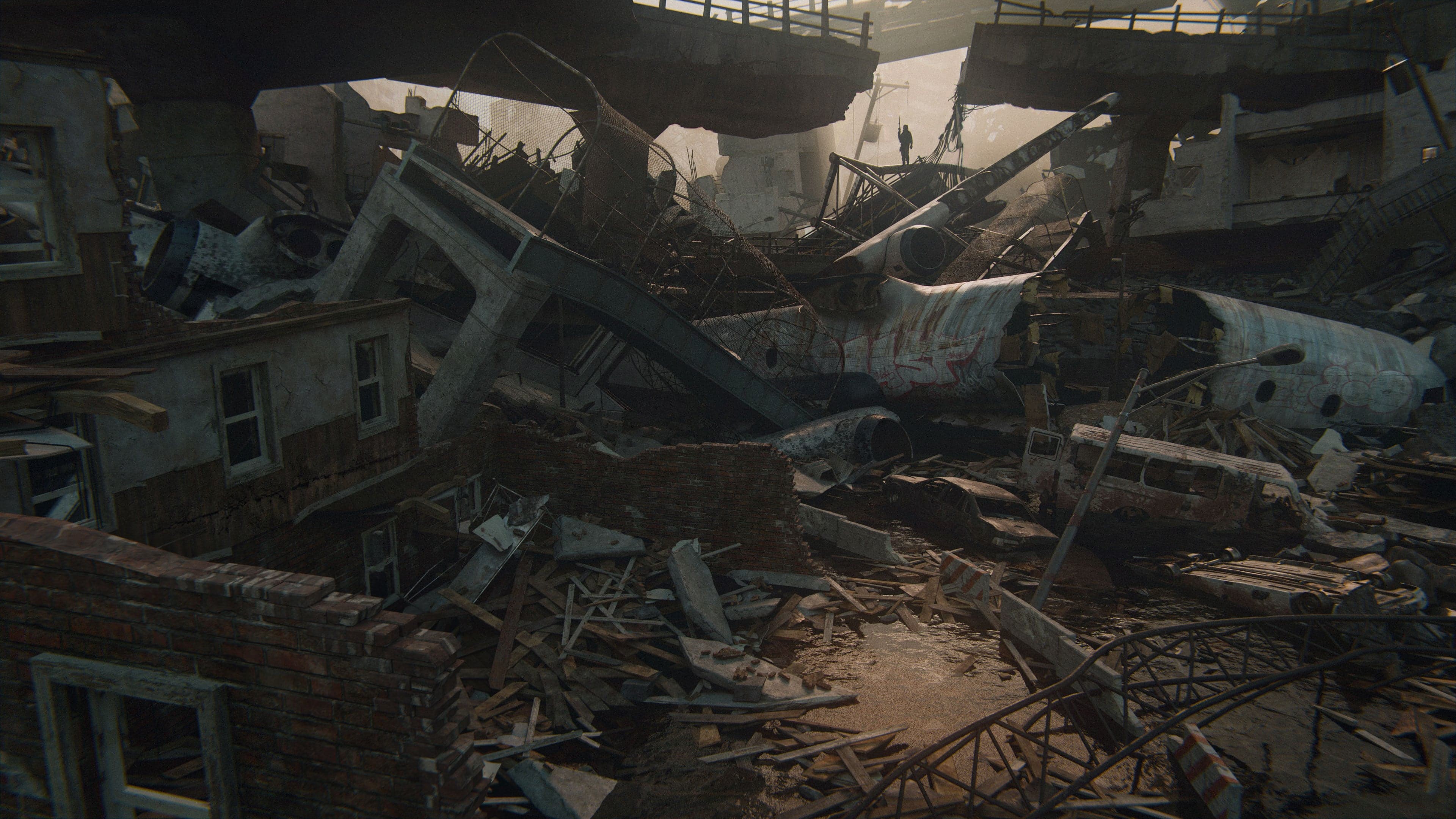
You are the Emergency Management Director for the San Valdez Regional Authority. Your Emergency Operations Center is operational on backup power, but communications infrastructure across the city is severely degraded. Initial reports are fragmented and terrifying: a freeway overpass has collapsed onto morning commuters, three hospitals are reporting structural damage, a natural gas main has ruptured in the West End, and the port district is flooding from a seawall breach. Your team estimates that over 200 structures have suffered major damage, with an unknown number of people trapped.
The governor has activated the National Guard, but they are hours away. FEMA is mobilizing, but federal resources will not arrive for at least twenty-four hours. Right now, in this moment, the lives of thousands of people depend on the decisions you make with the resources you have. You must coordinate fire and rescue, police, medical teams, utility crews, and volunteer organizations — all while managing a terrified public that is desperate for information you do not yet have.
Skills Developed
Learning Objectives
- 1Establish unified command and communication protocols within minutes of a catastrophic event
- 2Prioritize search-and-rescue operations using triage principles when resources are severely limited
- 3Allocate scarce medical, shelter, and supply resources across competing needs under extreme uncertainty
- 4Communicate clearly with the public, media, and government agencies during a rapidly evolving disaster
- 5Transition from emergency response to long-term recovery operations while maintaining public trust
Scoring Dimensions
Every decision you make is scored across five leadership dimensions.
Modules (4)
The First 30 Minutes
Free Demo20 min
Buildings are collapsing, communications are failing, and the scope of destruction is unknown. Establish command and begin triage.
Search & Rescue
20 min
Deploy search and rescue teams across the city. Prioritize sites based on survivor probability while managing team safety.
Resource Allocation
20 min
Hospitals are overwhelmed, shelters are filling up, and supplies are running low. Make impossible choices about who gets what.
Recovery Operations
20 min
Transition from emergency response to recovery. Manage public expectations, coordinate with federal agencies, and plan rebuilding.



Ready to start training?
Create a free account to play your first simulation module. Upgrade to Pro for unlimited access to every scenario in the library.